The New World Order: the quiet rewrite of the global system, explained
Summits, currencies and supply chains are being rearranged at a pace not seen since 1944. Here is what is actually changing, what is still speculation, and what it means for ordinary households.



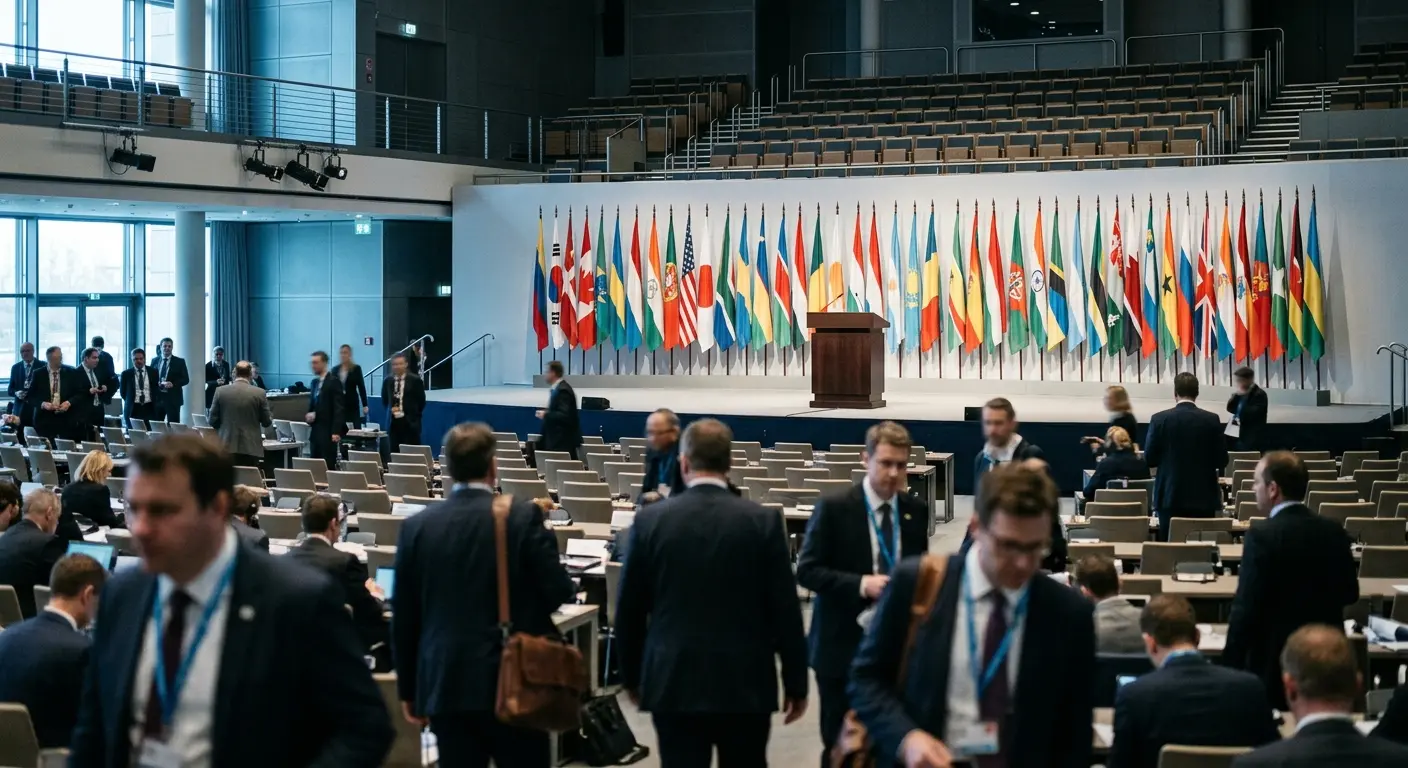
Most weeks, another summit ends with a communiqué that nobody reads.
This time, the details deserve twenty minutes of your attention, because three quiet changes landed in the space of a single year. Central banks bought more gold than in any recent period on record. A bloc of emerging economies added members and began wiring its own payment rails. And a global treaty on artificial intelligence stalled over one sentence about enforcement.
Each story earned a day of headlines. Together they describe something larger: the rules that govern trade, money and technology are being rewritten while most households watch the price of bread, not the politics behind it.
This is the story of the new world order. Not a secret plan, but a set of choices being made in public, by governments and institutions, that will shape what your money is worth and what it buys.
Sponsored briefing
The full briefing, in plain language
We condensed 90 days of summit declarations, central bank data and policy documents into one readable report, with every source linked.
Read the full briefingFree report · No sign-up requiredA system designed in 1944
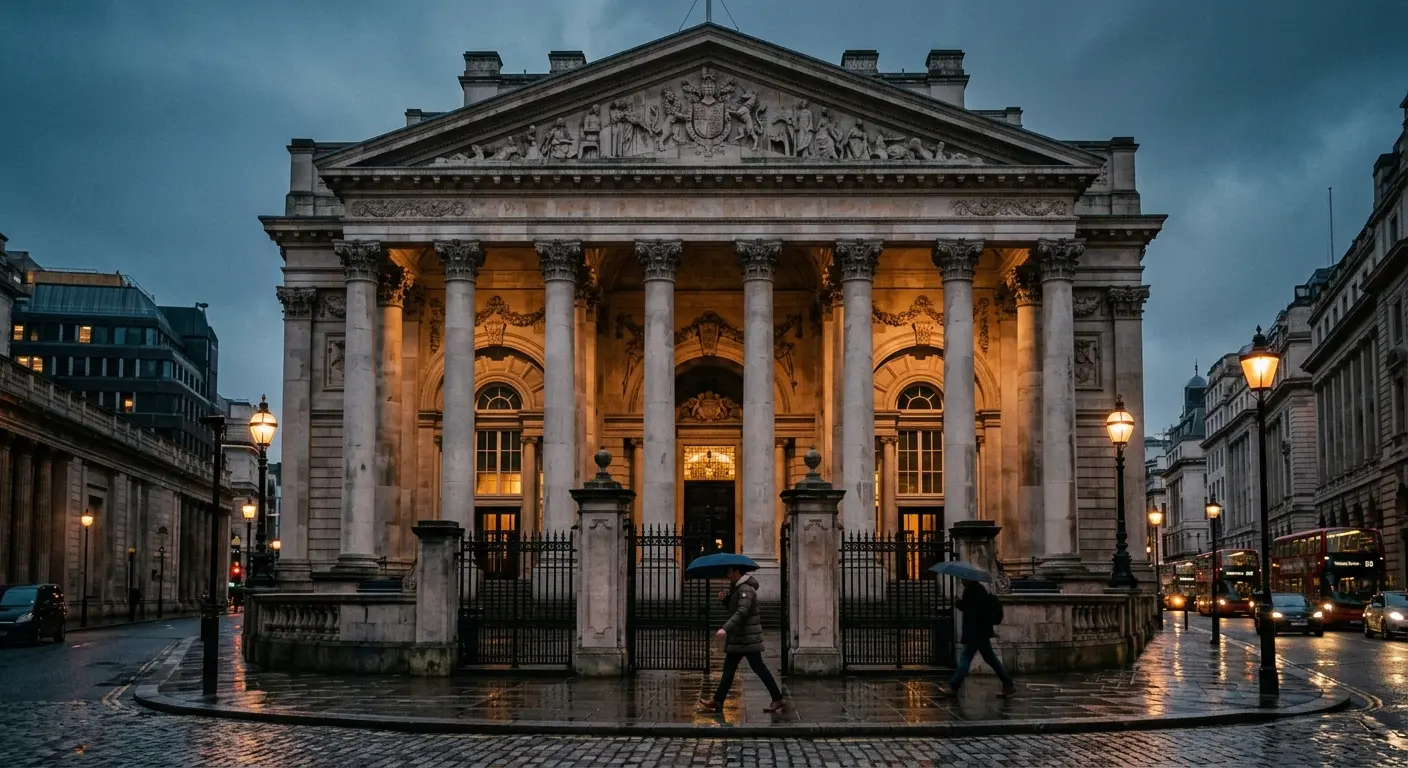
Today's rules were written in a hotel in New Hampshire in 1944. Forty-four countries agreed to peg their currencies to the dollar, and the dollar to gold. Two institutions were created to run the arrangement: the International Monetary Fund and the World Bank.
Washington's promise held for 27 years. In 1971 the United States ended gold convertibility, and economists predicted the end of dollar dominance. It did not happen. Oil was priced in dollars, debt was issued in dollars, and there was no serious alternative to the system.
That last part is what changed. The architecture built in 1944 is not being abolished. It is being diluted from the edges, by countries that no longer want to depend on it alone.
Five shifts you can actually measure
Ignore the speeches for a moment and look at what can be counted.
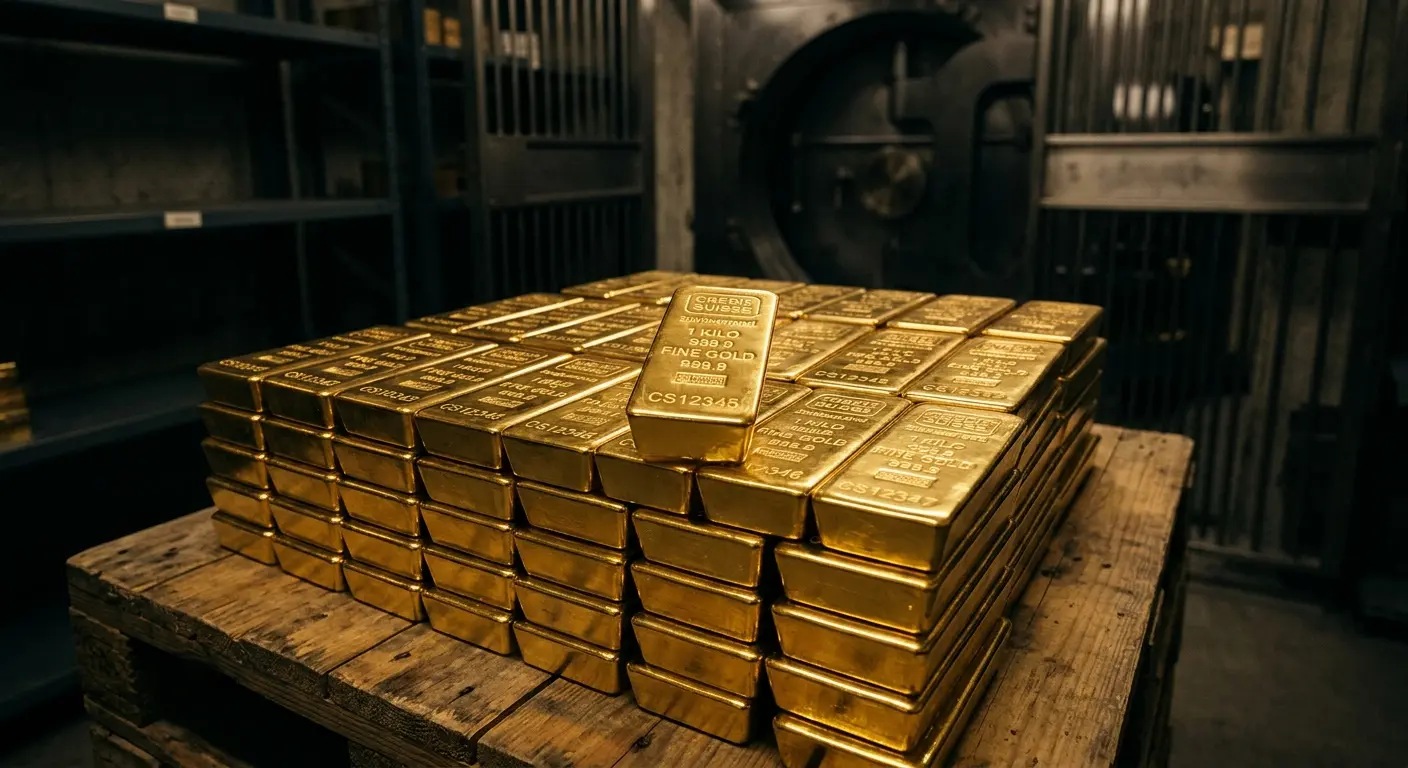
- Gold is back in the vault. Central banks added more than 1,000 tonnes a year in 2022, 2023 and 2024. The metal pays no interest, which is exactly why buyers want it.
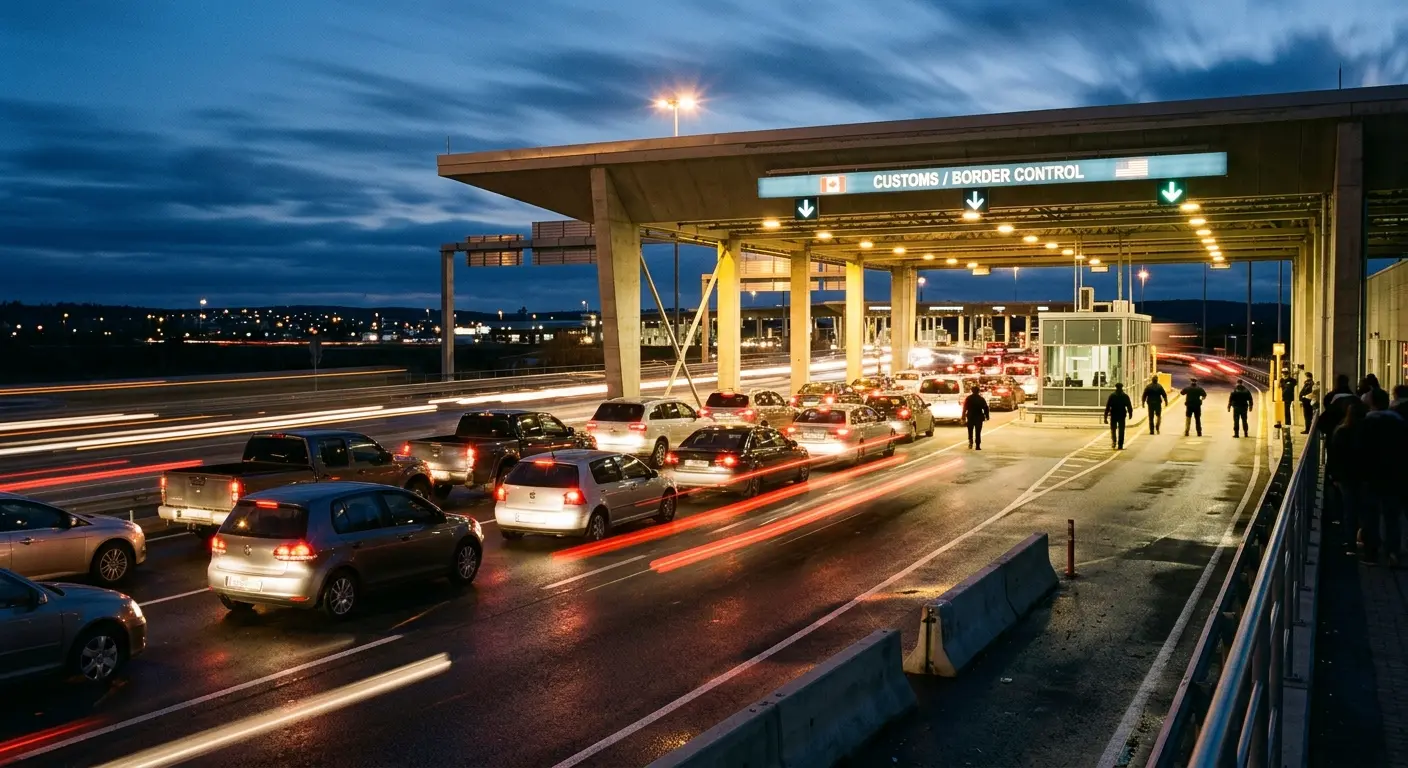
- Trade is being re-routed. US imports from China fell to their lowest share of the total in about two decades, while Vietnam, Mexico and India absorbed much of the difference.
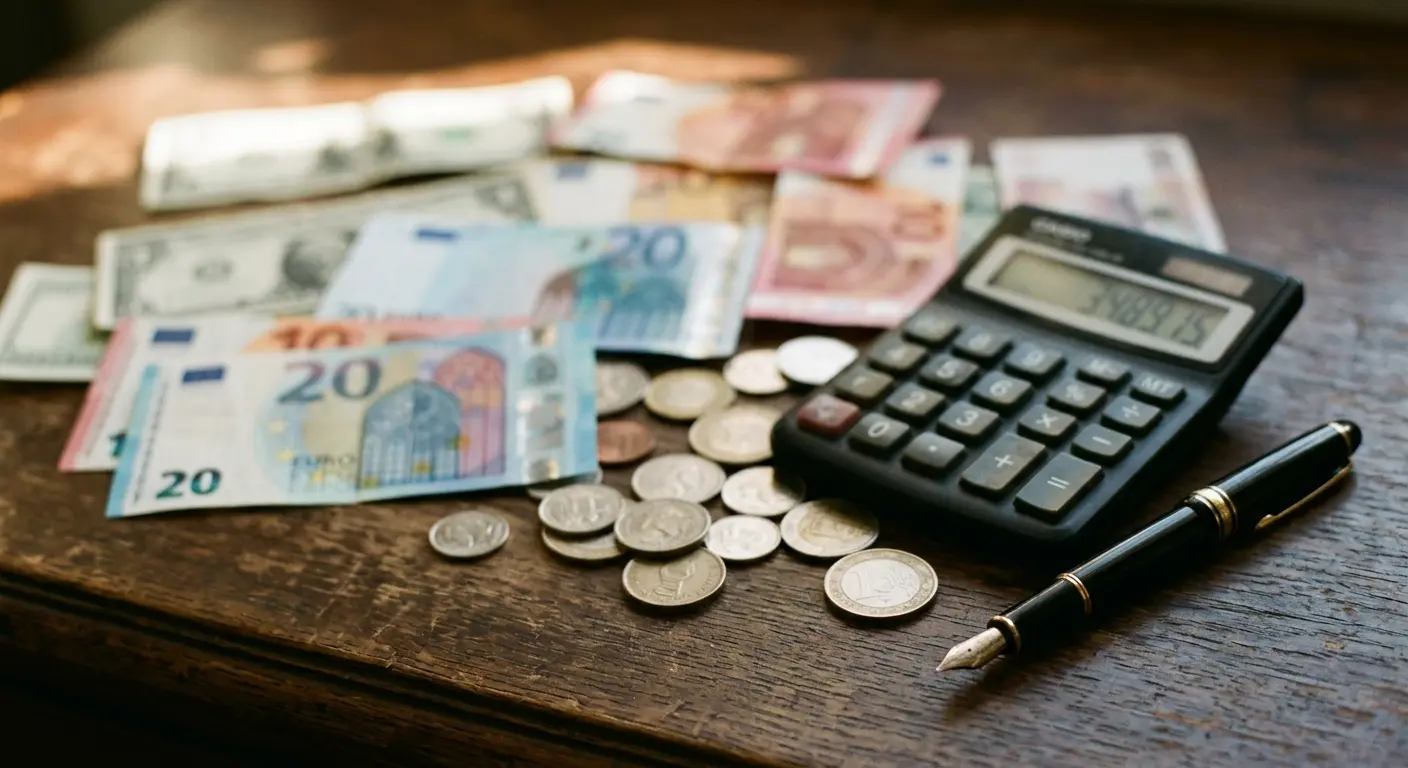
- Payment rails are going local. Deals to settle oil, grain and gas in rupees, yuan or dirhams have moved from pilot programmes to routine business in several corridors.
- Digital money is being tested nearly everywhere. More than 130 countries, covering the bulk of global output, are running or preparing central bank digital currency pilots.
- Technology is now a border. Export controls on chips, minerals and AI models are among the fastest-growing categories of new trade rule.
The dollar is not being replaced. It is being surrounded.
Meridian Post, Global Affairs desk
Why this reaches your kitchen table
You will never be asked to vote on any of this. You will feel it in three places instead.
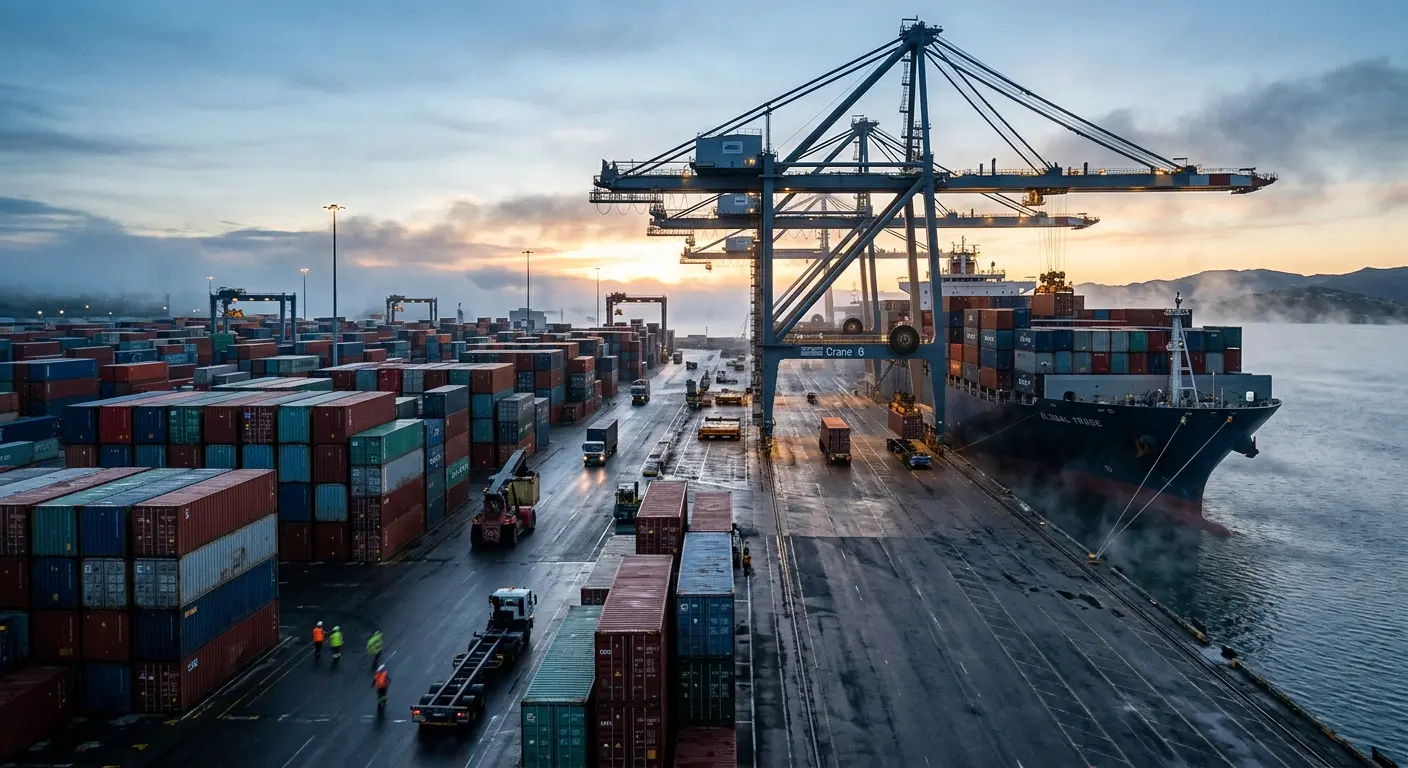
- Prices. When trade routes lengthen, goods cost more to move. Freight is a quiet line in the price of almost everything you buy.
- Interest rates. Currency blocs that trade less in dollars need fewer dollar reserves. That changes who buys your government's debt, and at what yield.
- Your savings. If the value of money is being renegotiated between governments, the mix of cash and hard assets in a household matters more than it did ten years ago.
None of this requires a crisis. Slower, more expensive and more fragmented is enough to squeeze an ordinary budget.
What the builders actually say
Officials rarely use the phrase new world order. They say multipolar, or rules-based transition, or a more representative international system. The difference is branding, not substance.
The declarations are public. The 2024 Summit of the Future adopted a Pact covering digital cooperation and reform of global finance. The annual meeting in Davos has carried a formal workstream on the future of the international system since 2020. An expanded BRICS bloc has published joint statements calling for more trade settled in local currencies.
Read those documents without the commentary and a pattern appears. Every plan assumes the same thing: that no single country will set all of the rules in the next decade.
Sponsored briefing
Where does your country sit on this map?
The briefing breaks the transition down country by country: reserves, trade partners, payment systems and the data behind every call.
Read the full briefingUpdated monthly · Free to readThree scenarios for the next five years
- Slow fragmentation. Blocs thicken, trade gets more expensive, nothing breaks. This is the most likely path, and the least dramatic.
- A monetary reset. A coordinated push toward digital settlement rails and new reserve rules. Loud in headlines, gradual in practice.
- A two-tier world. Rich economies and resource economies form separate clubs, and everyone else pays the difference in volatility.
Analysts disagree about timing. Very few disagree about direction.
Common questions
- Is the new world order a secret plan?
- The phrase is a headline, not a document. What can be measured is public: gold purchases, export controls, payment pilots and summit declarations. Everything beyond that is interpretation.
- Will the dollar stop being the world's currency?
- Not soon. Roughly half of global trade is still invoiced in dollars, and no alternative offers the same depth of debt markets. The realistic risk is a slow loss of share, not a sudden switch.
- How fast is any of this moving?
- Faster than institutions usually move. Changes that once took a decade now pass through pilot programmes in two or three years. Watch the pilots, not the speeches.
- What can an ordinary household do about it?
- Know your exposure: where your savings sit, which currency your income is in, and how much of your spending depends on imported goods. Concentration is the risk in every scenario.
The bottom line
You do not have to believe in a hidden hand to notice that the rules are changing. The documents are public, the data is public, and the direction is consistent.
The gap between people who follow this and people who do not is not ideological. It is financial. It shows up in what you pay for food, fuel, credit and insurance.
We put the whole picture in one place, in plain language, with sources linked. It takes about twenty minutes to read.
Final call
Read the briefing before the next round of headlines
What is changing, who is driving it, and how households can prepare. No predictions, no panic, just the documents and the numbers.
Read the full briefingFree report · 20 minute read
Daniel covers trade policy, central banking and the institutions that shape the global economy. He has reported from 22 countries and writes the weekly Global Order column.


 7 min read